
Reasonable Adjustments for Jobseekers and Employees
What are reasonable adjustments?
A reasonable adjustment is any change that removes or reduces a disadvantage caused by someone’s disability. In plain terms, it means letting someone work a bit differently, so they are not held back by their condition.
By law, employers must make adjustments so disabled staff or applicants are not unfairly disadvantaged (GOV.UK). For example, giving you extra time on tasks, changing your workspace, or using assistive technology could all be adjustments.
ACAS explains: “It’s not enough for employers to provide disabled people with exactly the same working conditions as non-disabled people. Employers must make reasonable adjustments by law.” (ACAS). Adjustments can address any physical or hidden disability and should fit your individual needs.
Examples of reasonable adjustments

Some common examples of reasonable adjustments include:
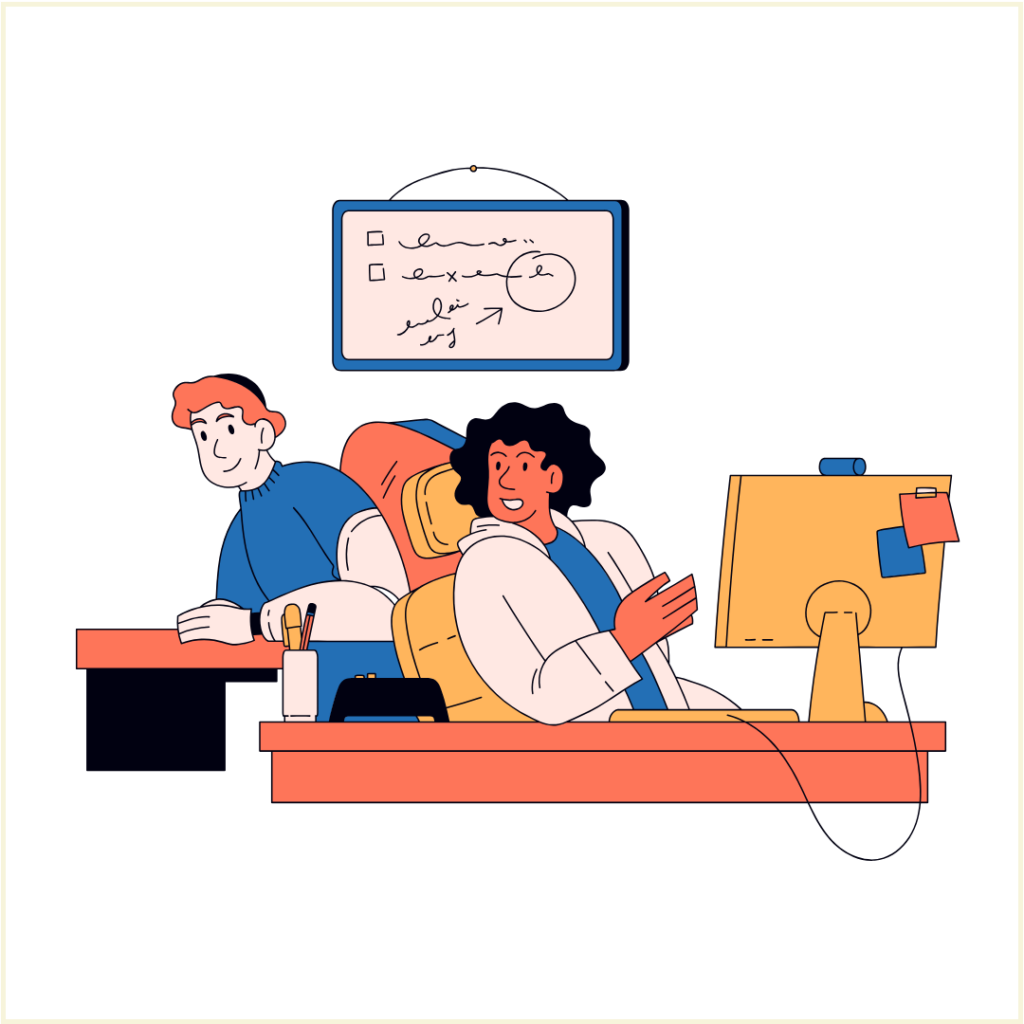
- Work environment: Set up a quiet workspace or use noise-cancelling headphones to minimise distractions. Change lighting or reduce background noise if needed.
- Equipment and technology: Provide assistive tools like a special keyboard, screen-reading software, ergonomic chairs, or voice-activated software.
- Work arrangements: Allow flexible hours, part-time or remote work, and give a fixed desk instead of hot-desking. For example, phased return after illness or a shifted schedule can help.
- Support and communication: Supply written or visual guides, easy-read instructions or flowcharts, and assign a mentor or ‘buddy’ to help with tasks. Break down tasks into clear steps (mind maps or checklists) and schedule regular breaks if needed.
Reasonable Adjustment Resources
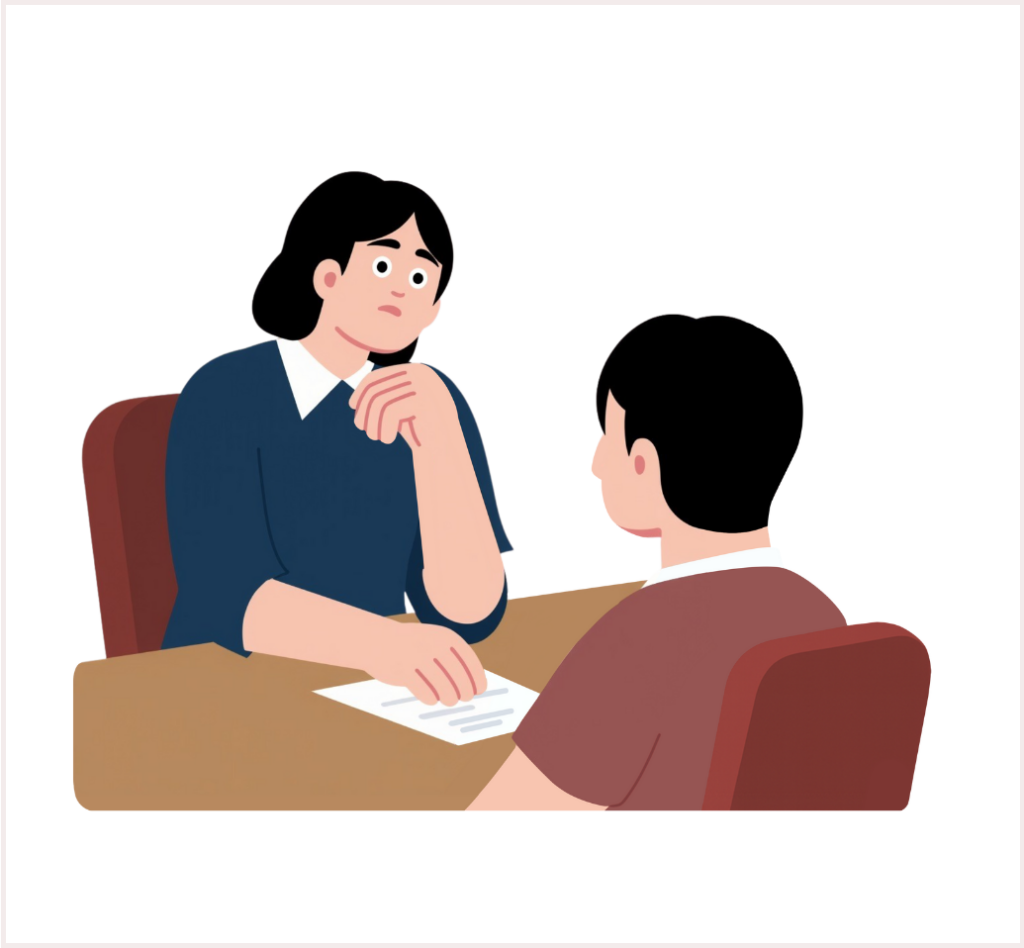
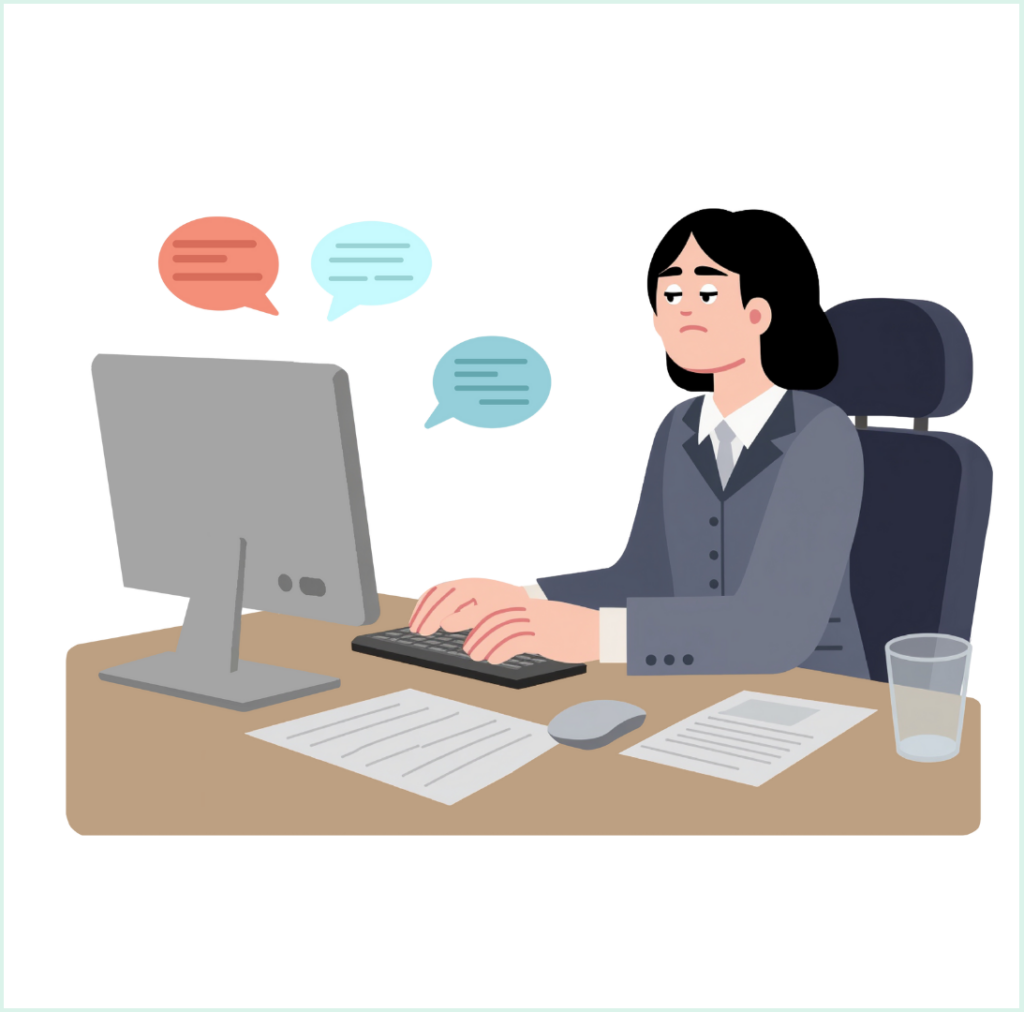
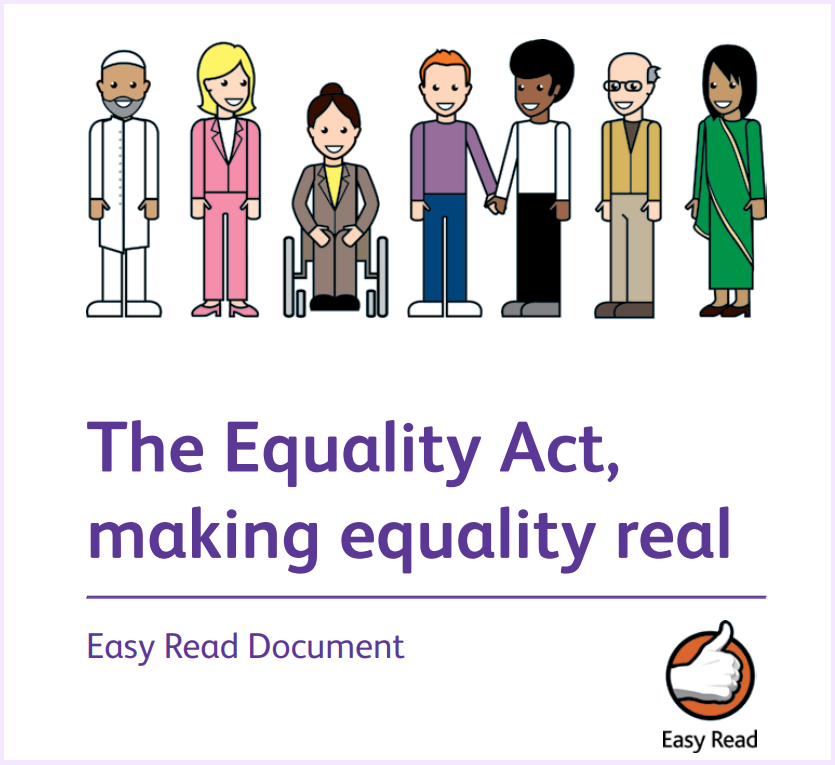
If you need help with any other resources or templates, please contact Suffolk Law Centre.
How can Suffolk Law Centre support you?
If you need advice or support, Suffolk Law Centre is here to help. We can:
- Give advice about your rights and the law.
- Draft or review letters and emails to your employer.
- Explain the process (informal talks or formal processes) and what outcomes to expect.
- Identify any discrimination you may face.
Our service is confidential and free. You don’t have to fight this alone – our advisers can guide you or refer you to specialists if needed.
Our team

Richard qualified as a solicitor in 2002. He now specialises in Discrimination Law and is a Senior Solicitor at Suffolk Law Centre
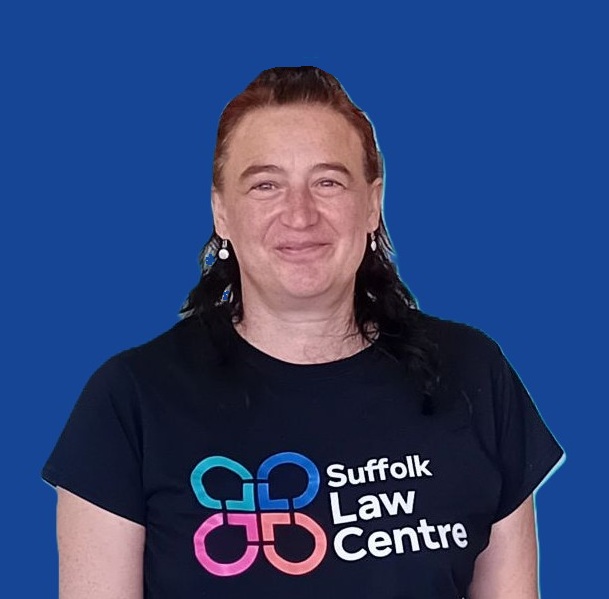
Julie is a Discrimination Law Caseworker who has worked on the Discrimination Team for 7 years. She has a master’s degree in human rights law and specialises in bringing actions against public authorities.
How to get in touch?
Email us at [email protected], addressing your message to the Discrimination Team.
Please telephone our reception service on 01473 526711. You will be instructed to leave a message, and we will call you back as soon as possible.